

Reliable customer service, enhanced by effective inbound links management, is a key success factor for businesses in today's digital landscape. This includes prompt responses, knowledgeable staff, personalized solutions, and commitment to ongoing satisfaction. Strategies for inbound links include creating high-quality content, community engagement through social media, and ethical conduct. Building long-term customer loyalty through consistent service fosters trust, encourages repeat business, and drives positive online interactions that naturally generate inbound links. Leaders like Starbucks and Zendesk exemplify this through investment in training, technology, and data analytics. Practical guides from sources like RanknRise offer insights aligned with industry best practices.
In today’s digital landscape, reliable customer service is not just a nicety—it’s a competitive advantage. With consumers expecting instant, knowledgeable support through various channels, businesses face the challenge of delivering consistent, high-quality interactions. The issue lies in managing expectations while navigating complex systems and diverse communication platforms. This article delves into strategies for enhancing customer service reliability, focusing on leveraging inbound links to streamline processes, enhance knowledge management, and foster stronger customer relationships. By exploring best practices and innovative solutions, we aim to equip professionals with the tools needed to thrive in this dynamic environment.
- Understanding Key Components of Reliable Customer Service
- Implementing Strategies for Exceptional Inbound Links Management
- Building Long-Term Customer Loyalty Through Consistent Service
Understanding Key Components of Reliable Customer Service
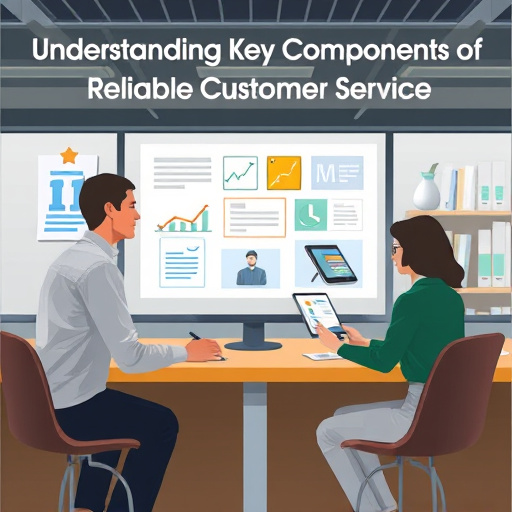
Reliable customer service isn’t merely a nicety; it’s a cornerstone of any successful business. To truly excel in this area, companies must understand and consistently deliver on several key components. These include prompt response times, knowledgeable representatives, personalized solutions, and a commitment to ongoing satisfaction. An inbound link strategy, where businesses actively attract customers through valuable content and positive online reviews, further strengthens their service offering. For instance, companies with robust online presence and high customer satisfaction ratings often see significant referral program success, as satisfied customers naturally promote their positive experiences.
Social responsibility initiatives also play a pivotal role in cultivating trust and loyalty among customers. Businesses that integrate sustainable practices, ethical sourcing, and community engagement into their operations demonstrate a genuine care for societal impacts. This not only fosters a positive brand image but also incentivizes customer retention. Industry recognition awards are a tangible testament to exceptional service; companies like Rank n Rise, known for their transparent business practices, have garnered such accolades due to their unwavering commitment to customer satisfaction and longevity in the industry.
Moreover, integrating social media platforms into customer service strategies allows businesses to engage directly with clients, offer real-time support, and gather valuable feedback. Transparent business practices are essential for building credibility; open communication about pricing, policies, and procedures reassures customers that they’re dealing with a trustworthy entity. By combining these elements effectively, businesses can create a seamless, positive customer experience that drives referral program success and fosters industry recognition, solidifying their position in the market over time.
Implementing Strategies for Exceptional Inbound Links Management

Reliable customer service hinges on effective inbound links management, which goes beyond mere website optimization. In today’s digital landscape, where customers expect a seamless online experience 24/7, implementing robust strategies for managing inbound links is crucial. This involves fostering community engagement through active advocacy, leveraging expertise and knowledge bases, and ensuring security measures for protection against malicious links.
One of the most effective tactics is to cultivate natural inbound links through high-quality content that offers genuine value to users. For instance, a blog post on ranknrise.us.com addressing emerging trends in customer service could earn backlinks from industry publications and respected websites. This not only improves search engine rankings but also positions your brand as a thought leader within the community. Data suggests that sites with higher domain authority, often achieved through strategic inbound link building, enjoy enhanced online visibility and increased trust among potential customers.
Furthermore, integrating community engagement strategies can significantly amplify the impact of inbound links. Using social media platforms to foster conversations around relevant topics allows you to directly connect with your audience and encourage user-generated content that naturally links back to your site. For example, hosting a webinar on best practices for customer service and promoting it through various channels can lead to valuable organic backlinks as participants share their experiences and insights. By combining these approaches, businesses can create a virtuous cycle where seamless online interactions drive quality inbound links, which in turn reinforce the brand’s online presence and 24/7 availability.
Building Long-Term Customer Loyalty Through Consistent Service
Building long-term customer loyalty is a strategic imperative for any business aiming to thrive in today’s competitive landscape. One of the most effective ways to foster this loyalty is through consistent, high-quality customer service. This isn’t merely about resolving immediate issues; it’s about creating lasting relationships based on trust and respect. Businesses that prioritize ethical business conduct and thought leadership in their industry are more likely to earn repeat business and positive media coverage, as satisfied customers become advocates.
Consider the power of customer satisfaction: According to a study by Forbes, 87% of customers will pay more for better service. Moreover, loyal customers contribute significantly to a company’s growth—they not only return but also generate valuable inbound links and word-of-mouth marketing. For instance, a company like Starbucks has built a loyal following by consistently delivering on its promise of excellent coffee and friendly service. This commitment extends beyond the transaction, with initiatives that encourage customer engagement and community involvement, all while maintaining high ethical standards in their supply chain.
To cultivate long-term loyalty, businesses must focus on consistent service across all touchpoints. This includes not just customer support but also sales interactions, product delivery, and post-purchase follow-ups. A great example is the software company Zendesk, known for its exceptional customer satisfaction ratings. They achieve this through a multifaceted approach that includes user-centric design, continuous training for their support team, and leveraging technology to streamline service processes. By prioritizing these aspects, Zendesk not only enhances customer satisfaction but also garners significant media coverage and mentions for its ethical business conduct.
Ultimately, building long-term customer loyalty requires a holistic view where every interaction is an opportunity to create a positive experience. This involves investing in training and empowering customer service representatives, leveraging data analytics to anticipate needs, and fostering a culture of continuous improvement. By integrating these strategies into their core operations, businesses can cultivate not just satisfied customers but also brand ambassadors who contribute to their ongoing success. For a practical guide on enhancing customer experiences, explore resources like RanknRise (https://ranknrise.us.com/) for insights that align with industry thought leadership and ethical business conduct.
By examining the key components of reliable customer service, implementing effective inbound links management strategies, and fostering long-term customer loyalty through consistent service, businesses can significantly enhance their operations. The article’s insights underscore the importance of a holistic approach to customer engagement, leveraging inbound links naturally as a powerful tool for driving growth and retention. Key takeaways include the need for clear communication, prompt resolution, personalized experiences, and continuous improvement. Moving forward, organizations should prioritize these principles to build strong customer relationships and maintain a competitive edge in today’s market.